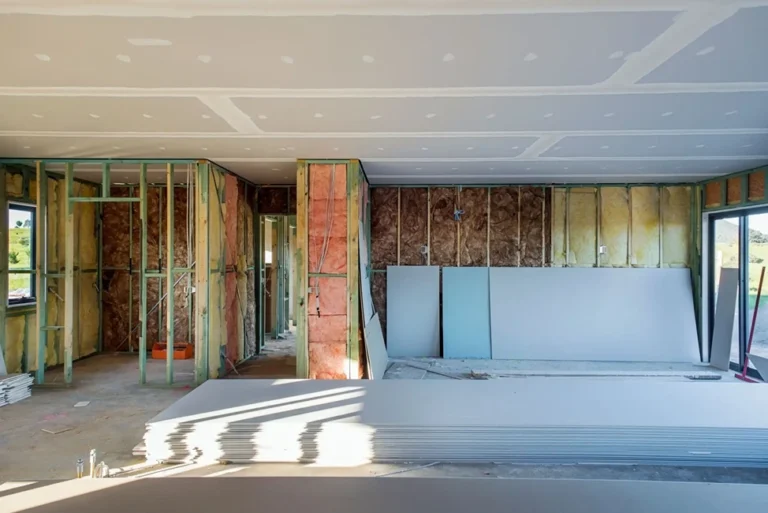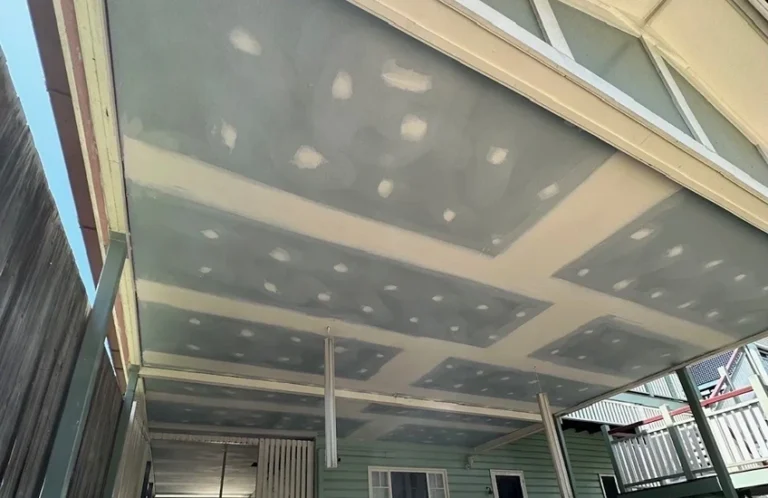
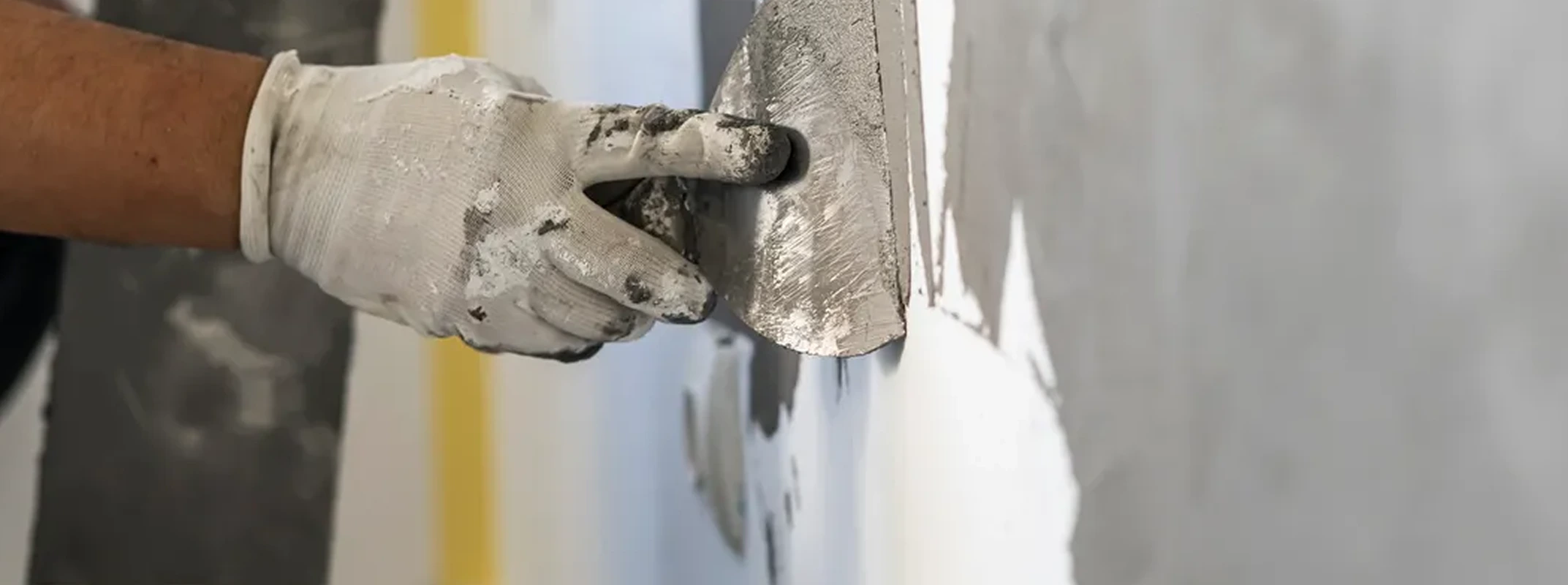
When plaster damage appears after a leak, storm, or unexpected incident, many homeowners feel unsure about what to do next. Insurance plastering is often more involved than people expect, and the decisions made early in the process can affect both the claim outcome and the long-term condition of the home.
In Ipswich homes, ageing plumbing, weather events, and building movement are common causes of plaster damage. Speaking with experienced plastering specialists servicing Ipswich before or during the claims process helps homeowners understand what repairs are genuinely required, rather than approving work that only improves appearance temporarily.
What Is Insurance Plastering?
Insurance plastering refers to plaster repairs or replacement carried out following an insured event. The goal is to restore damaged walls or ceilings to their original condition in line with insurer expectations and building standards.
Unlike cosmetic plaster repairs, insurance plastering focuses on rectifying damage caused by a specific event, not general wear or ageing.
Events That Commonly Lead to Insurance Plastering
Insurance-related plaster work usually follows identifiable incidents.
• Water leaks, from burst pipes, roof damage, or appliance failures.
• Storm damage, allowing moisture to enter ceilings or wall cavities.
• Impact incidents, such as fallen branches or internal structural faults.
• Fire or smoke exposure, affecting plaster integrity even when damage appears minimal.
Correctly identifying the cause is critical before any repair work begins.
Why Plaster Damage Should Be Assessed Before Lodging a Claim
Visible damage often represents only part of the problem. Moisture and movement can weaken plaster behind painted surfaces, even when damage looks minor on the surface.
Without a proper assessment, claims may be approved for incomplete or unsuitable repairs.
Risks of Proceeding Without Assessment
Skipping professional assessment can create long-term issues.
• Hidden damage, remaining behind walls or ceilings.
• Repeat failure, when weakened plaster is patched instead of replaced.
• Claim complications, if repairs do not meet insurer requirements.
A clear understanding of the damage helps ensure the scope of work reflects what the home actually needs.
Repair or Replacement: What Insurers Usually Expect
In insurance plastering, patching is not always considered sufficient. Insurers generally require damaged materials to be restored to their original performance, not just made to look better.
This often means replacement rather than surface repair.
When Plaster Repair May Be Accepted
Repair may be suitable in limited situations.
• Minor impact damage, with no moisture involvement.
• Small cracks, where the plaster remains dry and structurally sound.
• Localised damage, isolated to a small area.
Even in these cases, repairs must meet professional standards.
When Plaster Replacement Is Typically Required
Replacement is more common when plaster integrity has been compromised.
• Water-damaged plaster, that has softened or stained.
• Sagging ceilings, caused by prolonged moisture exposure.
• Mould-affected areas, requiring full removal for health reasons.
Replacement reduces the risk of future failure and aligns more closely with insurer expectations.
How Insurance Plastering Differs From Standard Repairs
Insurance plastering involves additional requirements that go beyond everyday residential work.
Key Differences Homeowners Should Understand
Insurance plastering often includes:
• Detailed documentation, to support the claim.
• Compliance-focused workmanship, aligned with insurer and building standards.
• Restorative intent, rather than cosmetic improvement.
Working with a team experienced in insurance-related plaster repairs helps ensure these requirements are met and reduces delays during the claims process.
Moisture Damage and Why It Changes Everything
Moisture is one of the most common causes of insurance plaster claims and one of the most misunderstood.
Even after the source of a leak is fixed, plaster may remain weakened.
Why Drying Alone Is Not Enough
Drying does not restore plaster strength.
• Loss of bonding, between plaster layers.
• Ongoing deterioration, hidden beneath paint.
• Potential mould growth, inside wall or ceiling cavities.
In many cases, removing and replacing affected plaster is the only reliable solution.
Insurance Repairs and Restoration Work Often Overlap
Insurance plastering frequently intersects with broader restoration work, especially when large sections of a home are affected.
Coordinating Repairs for Better Outcomes
Combining plastering with restoration helps:
• Maintain consistent finishes, across repaired areas.
• Avoid visible joins, between old and new sections.
• Support long-term durability, rather than short-term fixes.
This approach is common in larger renovations and restoration projects.
Residential and Commercial Insurance Plastering
While this article focuses on homes, similar principles apply to commercial properties, often with stricter compliance requirements.
• Residential properties, prioritise safety, comfort, and presentation.
• Commercial properties, often require faster turnaround and documented compliance.
Experience across both residential and commercial plastering environments strengthens the quality and reliability of insurance repairs.
Why Homeowners Choose MLR Plastering & Interiors for Insurance Work
Homeowners want confidence that insurance plastering is handled properly, not rushed through approval. MLR Plastering & Interiors assess the full extent of plaster damage before recommending repair or replacement.
By focusing on proper restoration rather than surface-level fixes, they help homeowners avoid repeat issues and ensure work aligns with insurer and building requirements.
FAQs About Insurance Plastering Claims
It is best to assess the damage first. MLR Plastering & Interiors can help determine what work is appropriate.
Coverage depends on the cause of damage. MLR Plastering & Interiors can assist with insurance-related plaster work.
In many cases, replacement is required. MLR Plastering & Interiors can advise on suitable solutions.
Timeframes vary depending on damage and approvals. MLR Plastering & Interiors can explain the process.
Professional restoration aims for consistency. MLR Plastering & Interiors focus on seamless results.
Prepare Before You Make a Claim
Insurance plastering is about more than fixing what you can see. Understanding the condition of your walls and ceilings before making a claim helps protect your home and reduces the risk of future issues.
If your Ipswich home has suffered plaster damage following an insured event, schedule an appointment to review your plaster repair needs with MLR Plastering & Interiors and get clear, practical guidance before moving forward.