When walls or ceilings start to look tired, many Brisbane homeowners assume a fresh coat of paint will fix the problem. While painting can improve appearance, it does not always address the real issue beneath the surface. In some cases, repainting too soon can hide damage that continues to worsen over time.
Homes across Brisbane are affected by movement, humidity, and everyday wear. Knowing whether your home needs plastering work, painting, or both helps ensure money is spent in the right place. Speaking with an experienced residential plastering team in Brisbane can provide clarity before cosmetic work begins and help avoid repeated fixes.
Understanding the Difference Between Plastering and Painting
Plastering and painting serve different purposes, even though they are closely connected. Understanding what each one does makes it easier to choose the right solution for your home.
What Plastering Actually Does
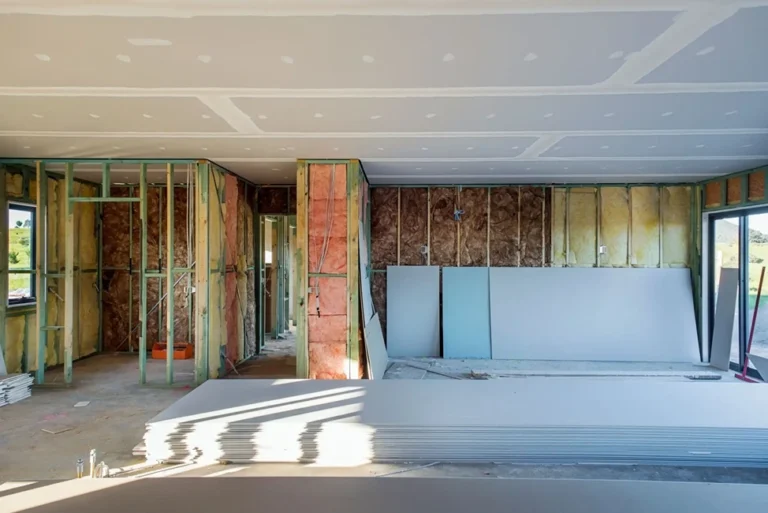
Plastering focuses on the structure and condition of walls and ceilings.
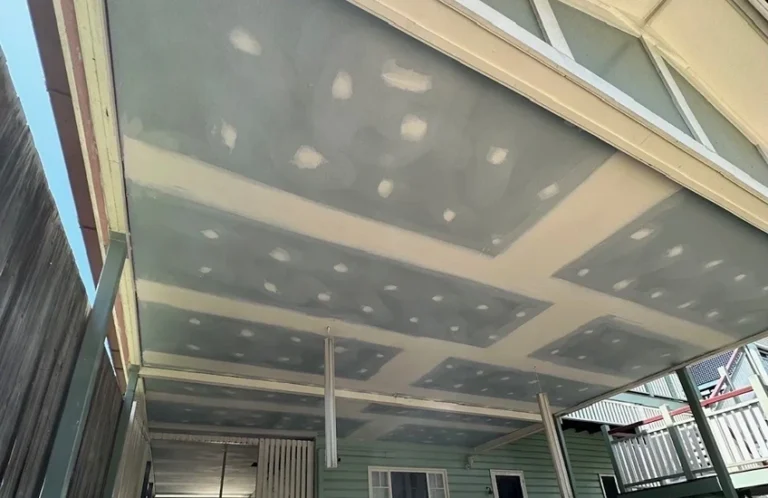
• Repairs damage, such as cracks, dents, or weakened areas.
• Restores flat, stable surfaces, ensuring walls and ceilings are sound.
• Creates the base, required for paint to look smooth and even.
Plastering addresses the cause of surface problems rather than just their appearance.
What Painting Is Designed to Do
Painting improves how a surface looks once it is already in good condition.
• Refreshes colour, updating the look of a room.
• Protects surfaces, with finishes suited to different environments.
• Enhances light and space, when applied to smooth surfaces.
Paint performs best when applied over well-prepared plaster.
When Painting Is Enough for Your Home
In some situations, painting alone is sufficient. This is usually the case when walls and ceilings are structurally sound and free from damage.
Signs Your Home May Only Need Painting
Painting may be suitable if the following conditions apply.
• No visible cracks or dents, beyond minor surface marks.
• Even wall and ceiling surfaces, without ripples or patchiness.
• Stable finishes, with no bubbling or flaking paint.
In these cases, painting can refresh the home without the need for plaster repairs.
When Plastering Is the Better Option
Plastering becomes essential when damage affects the surface beneath the paint. Applying paint over these issues often leads to short-lived results.
Common Signs Plastering Is Needed First
Plastering should be considered if you notice any of the following.
• Cracks that keep returning, even after repainting.
• Bubbling or peeling paint, often caused by moisture or weak plaster.
• Uneven walls or ceilings, visible under natural or angled light.
In these situations, plaster repairs restore the surface before painting is applied.
For everyday household repairs, support from a qualified residential plastering service helps ensure damaged areas are properly stabilised and blended.
Why Painting Over Damaged Plaster Rarely Lasts
Painting over cracks, soft plaster, or moisture-affected areas can temporarily improve appearance, but the underlying problem usually remains.
Risks of Skipping Plaster Repairs
Ignoring plaster damage can lead to repeat issues.
• Cracks reappearing, through new paint layers.
• Ongoing deterioration, beneath the surface.
• Higher long-term costs, due to repeated repainting.
Addressing plaster problems first helps ensure paint finishes remain consistent and durable.
Renovations Often Require Both Plastering and Painting
During home upgrades, plastering and painting usually work together. Renovations often expose weaknesses in existing plaster or create new joins that must be repaired properly.
How Plastering Supports Renovation Projects
Plastering helps renovations feel complete.
• Blending new and existing areas, seamlessly.
• Repairing disruption, caused by construction work.
• Preparing surfaces, for final paint finishes.
Coordinating plaster work as part of broader renovations and restoration projects ensures a cohesive result throughout the home.
Moisture Damage Changes the Equation
Moisture is one of the most common reasons plastering is required instead of painting. Even when paint looks dry, plaster underneath may remain compromised.
Why Moisture-Affected Areas Need Plastering
Water exposure weakens plaster in ways paint cannot fix.
• Soft or crumbling surfaces, beneath intact paint.
• Stains that return, after repainting.
• Hidden mould risk, behind walls or ceilings.
In homes affected by leaks or water events, working with a team experienced in insurance-related plaster repairs helps ensure damaged materials are properly restored rather than concealed.
Ceiling Issues Almost Always Need Plastering
Ceilings are more sensitive to movement and moisture than walls. Sagging, cracking, or uneven ceilings should be assessed before any painting is considered.
Painting alone rarely resolves ceiling problems and may delay necessary repairs.
What to Do If You’re Unsure
Many homeowners are unsure whether plastering or painting should come first. A professional assessment helps clarify the condition of your walls and ceilings before decisions are made.
Why an Assessment Matters
Professional evaluation helps avoid unnecessary work.
• Identifies underlying damage, not just visible flaws.
• Clarifies the correct order, of plastering and painting.
• Prevents repeat repairs, and wasted expense.
This approach ensures your home receives the right solution from the outset.
Residential and Commercial Experience Adds Value
Experience across different property types strengthens workmanship and problem-solving.
• Residential expertise, supports detailed, lived-in spaces.
• Commercial experience, adds durability and consistency.
This combined knowledge benefits homeowners seeking long-lasting results.
Why Homeowners Choose MLR Plastering & Interiors
Homeowners want confidence that work is done properly before finishing touches are applied. MLR Plastering & Interiors assess surface conditions carefully before recommending repairs or upgrades, ensuring paint finishes are supported by sound plasterwork.
Clear communication and practical advice help homeowners understand whether plastering, painting, or a combination of both is the right approach.
FAQs About Plastering and Painting in Brisbane Homes
Paint may hide cracks temporarily, but they often return. MLR Plastering & Interiors can assess whether repairs are needed first.
Yes, plastering prepares the surface so paint finishes last. MLR Plastering & Interiors ensure surfaces are ready for painting.
Signs include bubbling paint or recurring stains. MLR Plastering & Interiors can identify moisture-related damage.
The level of disruption depends on the damage. MLR Plastering & Interiors explain the process clearly before work begins.
Proper repairs improve presentation and durability. MLR Plastering & Interiors focus on long-term outcomes.
Make the Right Choice for Your Home
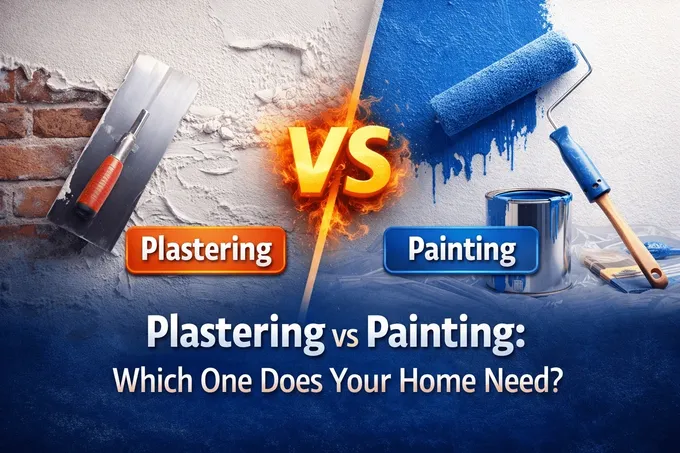
Choosing between plastering and painting comes down to the condition of your walls and ceilings. While paint refreshes appearance, plastering addresses the foundation beneath it. Making the right choice early helps protect your home and avoid repeated work.
If you are unsure which option your home needs, schedule an appointment to review your plastering needs with MLR Plastering & Interiors and get clear guidance before starting your next update.