When planning a renovation, most people focus on layouts, finishes and fittings. However, one of the most important decisions happens earlier in the process. Choosing between plaster and drywall for your walls and ceilings can significantly affect the appearance, durability and long-term performance of your space.
In Australia, the terms plaster and drywall are often used interchangeably, which leads to confusion. While both systems create smooth, paint-ready surfaces, they behave very differently once installed. Homeowners, builders and property managers who understand these differences are far more likely to achieve a renovation outcome that looks better, lasts longer and avoids unnecessary maintenance.
This guide explains plaster vs drywall in Australia, how each system performs, where each is best used and how to choose the right option for your renovation.
Understanding Plaster vs Drywall in Australia
In Australian construction, drywall generally refers to plasterboard or Gyprock. It is the standard wall and ceiling system used in modern homes, renovations and commercial buildings. Traditional plaster is more commonly found in older homes, heritage properties and high-end architectural projects.
Although both materials serve the same purpose, they differ significantly in installation method, strength, flexibility, repairability and cost. Selecting the right system depends on the age of the building, the renovation scope, performance requirements and budget.

What Is Plaster?
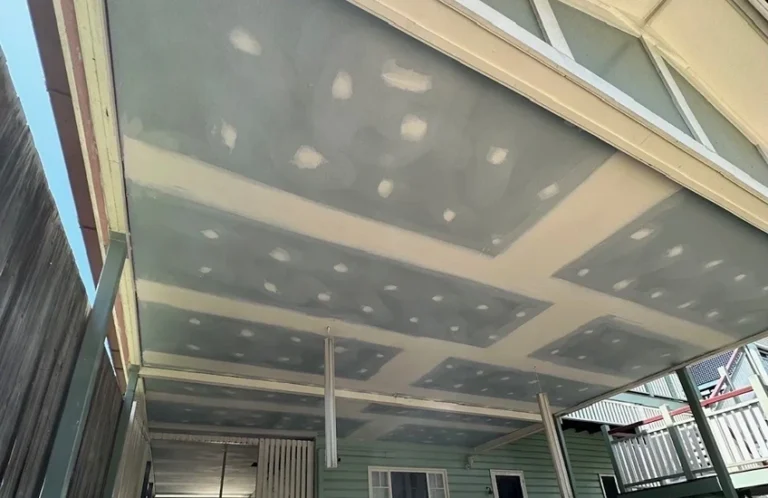
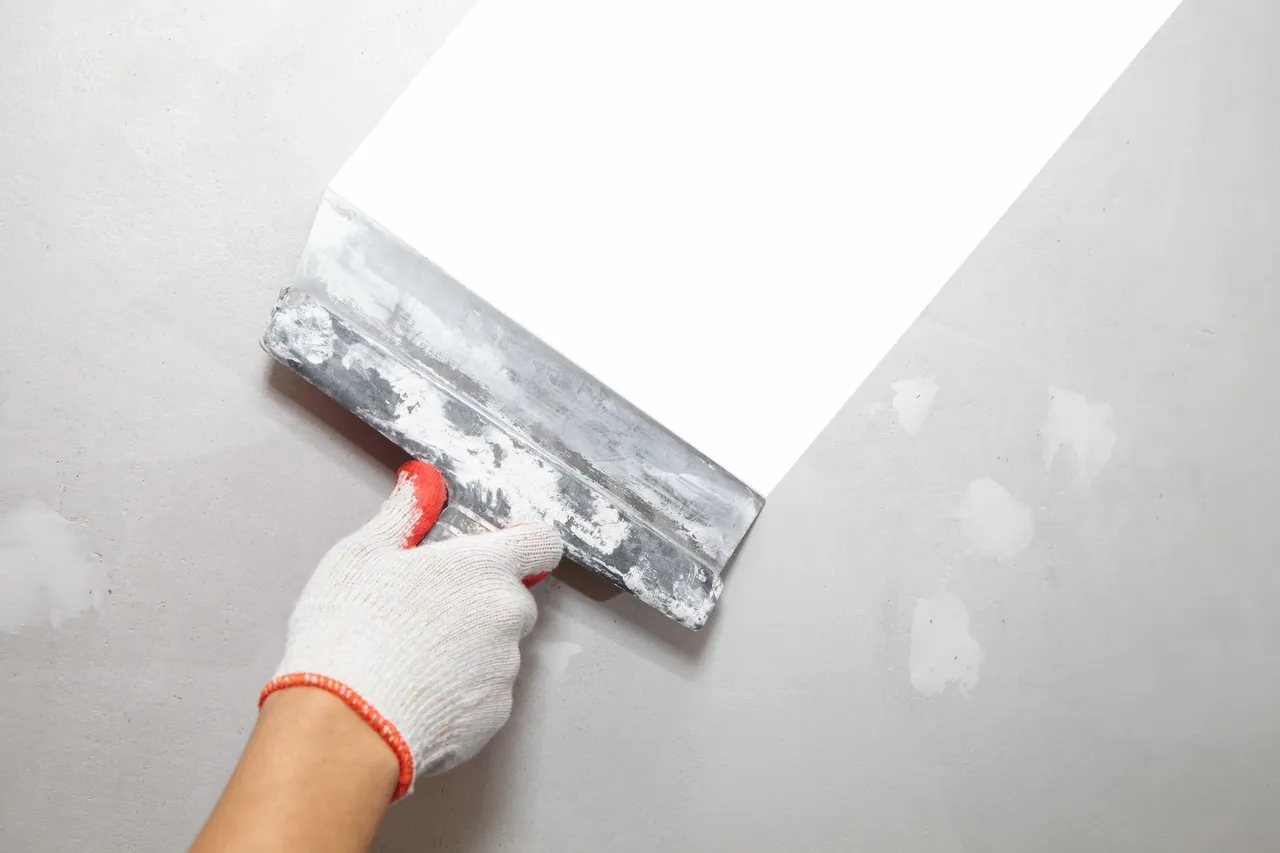
Plaster is a wet-applied material installed by hand over a solid surface such as brick, masonry or lath. Once applied, it is smoothed and shaped to form a dense, seamless finish.
Plaster has been used in Australian homes for generations and remains valued for its durability, acoustic performance and refined appearance. It is commonly retained or reinstated in character homes to preserve architectural detail and authenticity.
Modern plastering also includes skim coating and decorative finishes that deliver a premium look in contemporary renovations.
Key characteristics of plaster include its solid feel, seamless appearance, strong acoustic properties and long-term durability when installed correctly.
What Is Drywall?
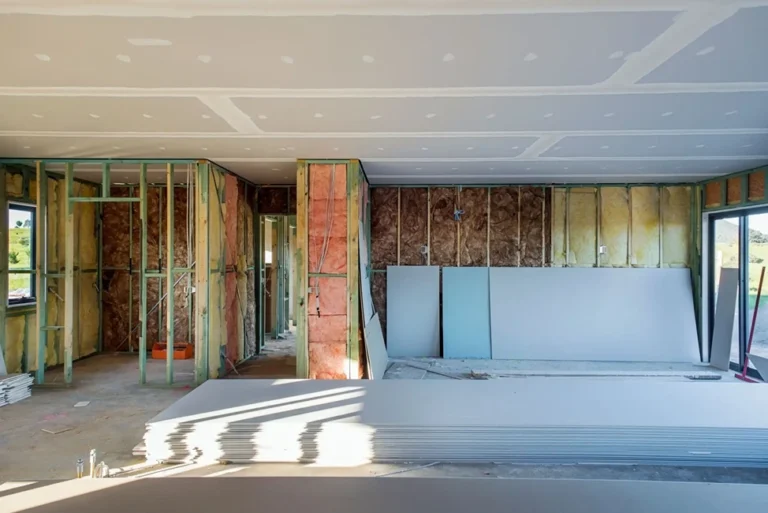
Drywall, also known as plasterboard, consists of a gypsum core encased in paper and manufactured in large sheets. These sheets are fixed to timber or steel framing before joints are taped, set and sanded.
Drywall is the most widely used wall and ceiling system in Australia due to its efficiency, flexibility and affordability. It allows easy integration of electrical, plumbing and data services and is ideal for modern renovations, extensions and commercial interiors.
Drywall is lightweight, fast to install, cost-effective and easy to repair or modify.
Plaster vs Drywall: Key Differences
Plaster installation is labour-intensive and requires specialist skill, with longer drying times between stages. Drywall is installed in sheets, making it quicker and more predictable, especially for large areas.
Plaster delivers a seamless finish with no joints, making it ideal for decorative detailing and curved surfaces. Drywall can also achieve a smooth finish, but careful jointing is essential to avoid visible lines.
Plaster is harder and more impact-resistant. Drywall is durable for everyday use but more susceptible to dents in high-traffic areas.
Drywall is easier to alter and repair. Plaster repairs are more complex and time-consuming.
Pros and Cons of Plaster
Plaster offers a premium finish, excellent acoustic performance and long-term durability. It is well suited to heritage restorations, architectural homes and feature areas.
However, plaster is more expensive to install and repair. It requires experienced trades and longer project timelines.
Pros and Cons of Drywall
Drywall is cost-effective, fast to install and highly adaptable. It supports modern services and is available in moisture-resistant, fire-rated and acoustic variants.
Its main limitation is lower impact resistance compared to plaster and a heavier reliance on workmanship quality for long-term performance.
Cost Comparison: Plaster vs Drywall
Drywall is generally the more affordable option, particularly for large renovations and commercial projects. Plaster costs more due to increased labour and longer installation times.
While plaster may have a higher upfront cost, its durability and appearance can offer long-term value in specific applications.
Which Is Best for Residential Renovations?
For most modern home renovations, drywall is the preferred option. It suits extensions, internal reconfigurations and ceiling replacements where efficiency and flexibility are important.
Homeowners often pair drywall installation with high-quality finishing through professional residential plastering services to achieve smooth, consistent results across the home.
Plaster remains a strong choice for character homes or feature spaces where a solid, seamless finish is essential.
Which Is Best for Renovation and Restoration Projects?
Restoration projects often require a tailored approach. Some areas may benefit from retaining plaster, while others are better suited to drywall for practicality.
Experienced teams specialising in renovation and restoration plastering can assess existing materials, movement and compliance requirements before recommending the best solution.
Which Is Best for Commercial Renovations?
Commercial spaces prioritise speed, compliance and durability. Drywall is commonly used due to its adaptability and performance in fire and acoustic systems.
High-traffic environments may require reinforced systems or upgraded finishes, which is why many businesses rely on professional commercial plastering services to meet safety and performance standards.
Acoustic and Fire Performance
Plaster provides natural sound insulation due to its density. Drywall systems can achieve excellent acoustic performance when combined with insulation and specialised framing.
Fire-rated plasterboard is widely used across residential and commercial construction and complies with Australian building regulations. Plaster also performs well in fire resistance when installed correctly.
Maintenance and Long-Term Performance
Drywall is easier to repair and maintain, making it ideal for family homes, rental properties and commercial environments.
Plaster generally requires fewer repairs but is more complex to fix if damaged.
Environmental Considerations
Modern plasterboard products often include recycled materials and efficient manufacturing processes. Plaster production is more energy-intensive, but its longevity can offset environmental impact over time.
Why Professional Installation Matters
Regardless of material choice, poor installation leads to cracking, uneven surfaces and visible defects. Professional workmanship ensures walls and ceilings remain straight, smooth and durable, supported by reliable plastering and interior services.
Why MLR Plastering & Interiors Is the Right Choice
Choosing between plaster and drywall is only part of the renovation decision. The quality of the final result depends on the experience and judgement of the plastering team.
With over 20 years of experience supporting Brisbane homes and businesses, MLR Plastering & Interiors understands how different wall and ceiling systems perform across residential, renovation and commercial environments. Each project is assessed individually to ensure the right materials and methods are selected for long-term performance.
The team brings expertise across modern plasterboard systems and traditional plaster finishes, offering honest advice based on what delivers the best outcome. Clients also benefit from clear communication, clean worksites and transparent pricing, with minimal disruption throughout the renovation process.
Frequently Asked Questions
Yes. Plaster is generally harder and more impact-resistant.
Yes. Many renovations use plaster in feature areas and drywall elsewhere.
Yes, when moisture-resistant plasterboard is installed correctly.
In heritage and high-end homes, plaster can enhance value.
Drywall installs significantly faster than traditional plaster.
Ready to Choose the Right Wall and Ceiling Solution for Your Renovation?
There is no single best answer when comparing plaster vs drywall. Each material suits different renovation goals, budgets and performance needs.
Drywall remains the preferred choice for most modern renovations due to its flexibility and efficiency. Plaster continues to play an important role in premium finishes and heritage properties.
Planning a renovation and unsure which option is right for your walls and ceilings? Speak with our Brisbane team today for expert guidance tailored to your project.