When unexpected interior damage occurs, the experience can feel overwhelming. A storm might tear through a roof, leaving ceilings waterlogged. A burst pipe may cause extensive wall swelling and mould. A simple accident during renovations can punch a large hole in a freshly finished wall. No matter the cause, dealing with the aftermath and navigating insurance requirements is rarely straightforward.
This is why so many Australians rely on insurance plasterers. These specialists understand not only how to repair the damage but also how to present information correctly to the insurer, preventing delays and ensuring the repairs are approved and completed to a professional standard. Whether you are a homeowner managing unexpected damage, a builder coordinating a claim or a property manager responsible for tenant transitions, understanding how insurance plastering works can make the restoration process far smoother.
This expanded guide explores the role of insurance plasterers in Australia, the types of damage commonly covered, how claims are assessed, what homeowners and professionals should look for in a trusted contractor and the clear advantages offered by MLR Plastering & Interiors across South East Queensland.
What Is an Insurance Plasterer and Why Are They Needed?
An insurance plasterer is a qualified professional who specialises in restoring plaster damaged by events covered in a building or contents insurance policy. Unlike standard plastering, insurance plastering is closely tied to claim requirements. It involves identifying the cause of damage, determining the extent of impact, photographing affected areas, preparing insurer-compliant documentation and restoring the affected walls and ceilings to Australian Standards.
Insurance plasterers offer technical skill and administrative expertise. Their reports help insurers determine liability, validate the event and confirm repair costs. Without correct documentation, claims may be delayed, declined or repeatedly referred back for clarification.
Insurance plasterers must balance accurate reporting with practical trade knowledge. They understand how moisture spreads, how framing behaves under load, how fire affects gypsum and how cracking patterns can indicate deeper structural concerns. This knowledge supports the insurer’s assessment while ensuring repairs are not superficial but genuinely address the underlying issue.
Why Insurance Plastering Is Different from General Plastering
General plastering work focuses on creating smooth, visually appealing surfaces. Insurance plastering adds layers of technical and administrative complexity. These include compliance, evidence gathering, insurer communication and mandatory safety considerations.
Detailed Investigations
Insurance plasterers assess not only visible damage but any hidden deterioration. Water damage may extend beyond the obvious stain. Cracks could point to structural movement rather than surface failure. Their reports describe what happened, why it happened and what is required to fix it properly.
Compliance with Insurer Requirements
Every insurer has specific expectations regarding format, evidence, costing and scope notes. Reports must demonstrate that repairs are necessary, cost-efficient and compliant with national building standards.
Transparent, Itemised Costing
Quotes must include line-by-line detail covering materials, labour, removal of damaged sections, preparation of surfaces, installation of new board, jointing, sanding and any associated tasks. Insurers do not accept broad estimates or non-specific pricing.
Coordination with Other Trades
Many insurance repairs involve multiple disciplines. Water damage may require plumbing and electrical oversight. Storm damage could involve roofing contractors. Insurance plasterers understand how their work fits into the broader repair process and coordinate accordingly.
Common Types of Insurance Plastering Repairs in Australia
Australian homes and commercial buildings are exposed to a wide range of hazards. The most common causes of insurance-related plaster damage include:
Water Damage
Water is one of the leading causes of plaster failure. It can enter through roof leaks, pipe bursts, faulty waterproofing, gutter overflows or air conditioning malfunctions. Water-damaged plasterboard weakens, bubbles, stains, sags and often develops mould. Insurance plasterers remove compromised sections, inspect framing for moisture, reinstall insulation and replace affected plasterboard.
Storm and Weather Events
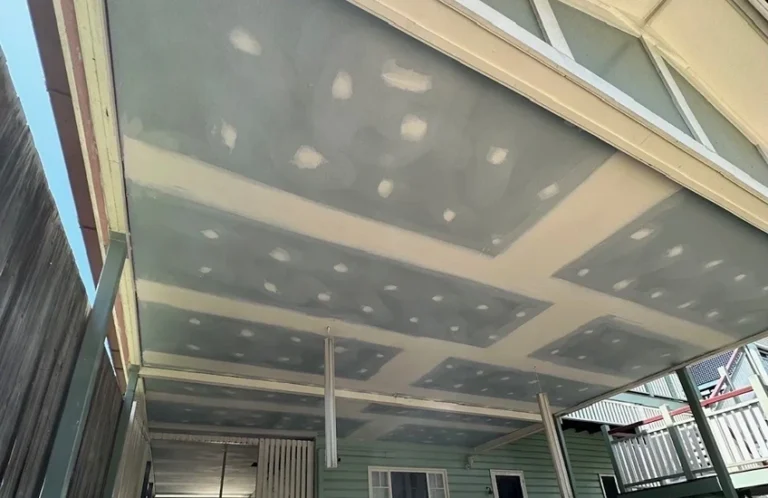
Queensland’s climate brings heavy rain, hailstorms, high humidity and strong winds. Ceilings may collapse due to water pooling. Hail may break roof tiles or metal roofing, allowing water to enter. Fallen branches can impact ceilings and walls. Insurance plasterers restore interior surfaces once the structural cause has been addressed.
Fire and Smoke Damage
Fire affects plaster differently depending on intensity and duration. Smoke stains plasterboard and seeps into pores. Heat may warp plaster sheets or compromise their fire resistance. Insurance plasterers determine whether repairs require cleaning, sealing, patching or full replacement with fire-rated materials.
Accidental Damage
Accidents ranging from construction mishaps to furniture movement can create holes, dents or cracks. Tenancies often involve accidental damage that must be repaired before re-letting. Insurance plasterers restore these areas efficiently and seamlessly.
Structural and Environmental Movement
Soil movement, ageing framing, humidity changes and thermal expansion can all cause plaster cracks, joint separation and sagging ceilings. Insurance plasterers assess whether movement is ongoing, whether structural repairs are required and how best to reinforce or replace the affected area.
How the Insurance Plastering Process Works Step-by-Step
Understanding the full process helps reduce uncertainty and prepares clients for what insurers typically expect.
Step 1: Identify and Record the Damage
Homeowners should take clear photos, note the date of the incident and record any relevant details. The more accurate the initial evidence, the easier the assessment.
Step 2: Lodge Your Claim
Insurers request basic information upfront. The claim lodgement triggers the need for a professional assessment, which they may ask the client to obtain independently.
Step 3: Professional Assessment
An insurance plasterer inspects the site, reviews the cause and extent of the damage, checks for secondary issues such as damp framing or mould, and gathers photographic documentation.
Step 4: Preparation of Insurer-Ready Documentation
This typically includes:
• an itemised quote
• a scope of works
• documented cause of damage
• photographic evidence
• notes on required materials and safety considerations
• recommendations for preventing future issues
Step 5: Claim Approval
Insurers review the assessment. Adjustments or additional information may be requested. Experienced insurance plasterers respond quickly with clarifications or revised documentation.
Step 6: Repairs Begin
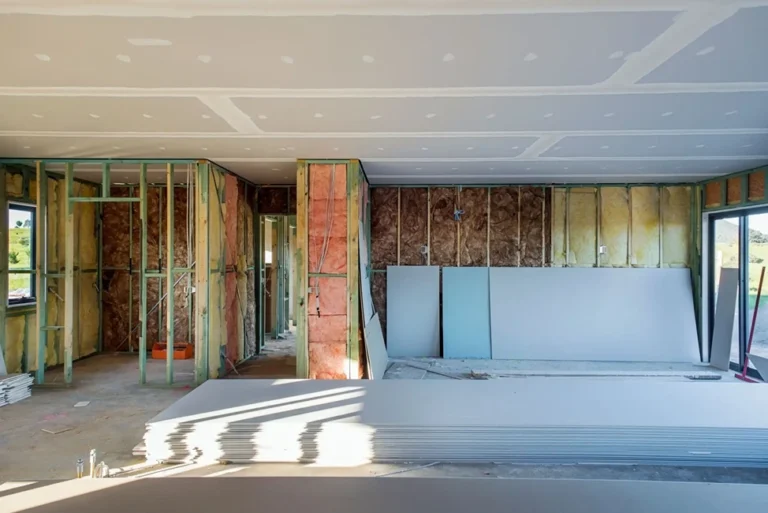
Once approved, the plasterer schedules the repair, protects surrounding areas, removes damaged plasterboard, reinstates insulation where required, installs new sheets, joints, sands and prepares the area for finishing.
Step 7: Final Quality Inspection
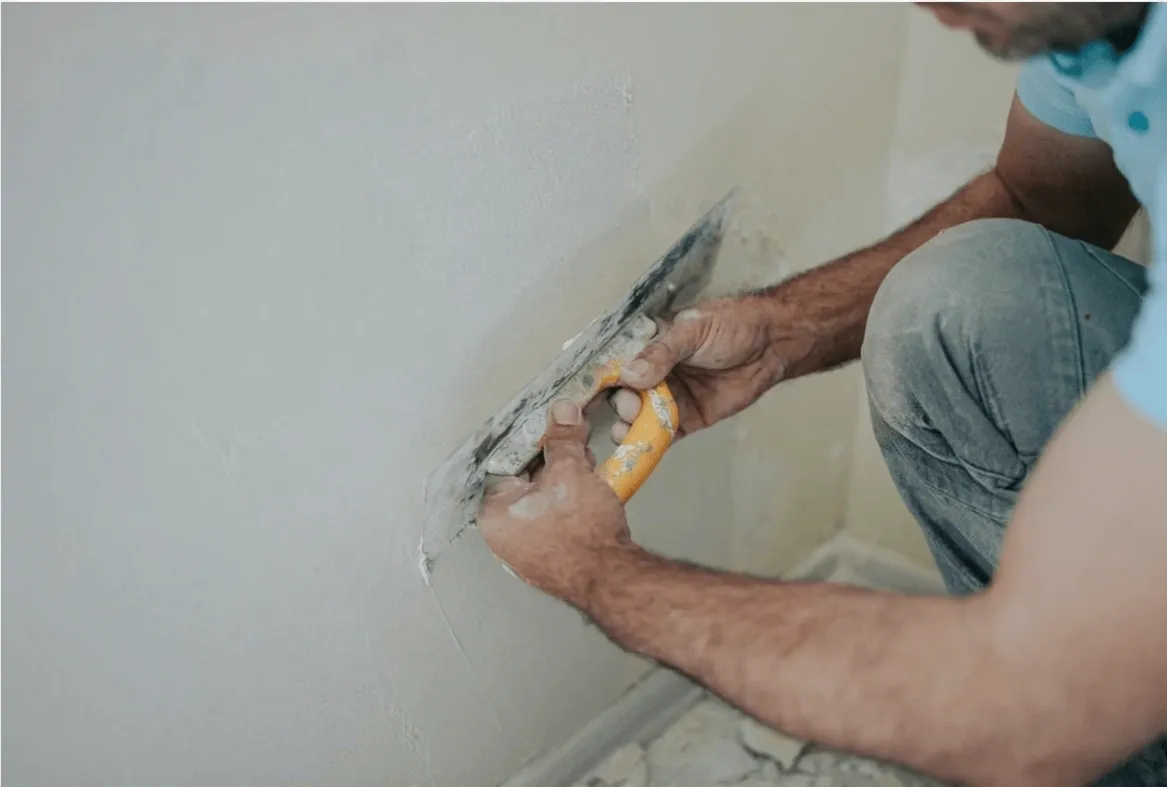
Insurance plasterers ensure the repairs are smooth, safe and ready for painting. A well-executed job blends seamlessly with the surrounding areas.
Who Insurance Plastering Supports
Homeowners
For homeowners, insurance repairs often represent an opportunity to improve the look and feel of the interior. Many combine insurance work with optional upgrades, supported by professional residential plastering services that help achieve a cohesive and modern result. Homeowners also value clear communication, cleanliness and respectful service, especially when repairs take place in occupied homes.
Builders and Renovation Contractors
Builders often deal with insurance complications during renovation projects. Ceiling or wall damage may require urgent repair before the rest of the build can continue. A plasterer who understands both insurance processes and broader construction dynamics helps ensure the project remains on track. This is particularly important when repairs must align with ongoing renovation and restoration plastering being completed elsewhere on the site.
Property Managers and Commercial Clients
Commercial tenants require quick turnaround times to avoid disruptions to business operations. Property managers need reliable repairs for offices, retail environments and rental properties. Efficient solutions such as professional commercial plastering services help minimise downtime and maintain a high standard of presentation for incoming tenants or customers.
Why a Specialist Insurance Plasterer Is Essential
Insurance plastering requires precision, accuracy and a strong understanding of insurer expectations.
Faster Claim Processing
Correct documentation helps insurers approve claims quickly. Specialists prepare evidence in line with industry norms, minimising delays.
Superior Detail and Finish
Matching old with new is both an art and a technical skill. Insurance plasterers ensure patched areas blend flawlessly with existing walls and ceilings.
Structural Awareness
Insurance plasterers recognise when damage indicates deeper issues, preventing superficial repairs that may fail later.
Peace of Mind
From paperwork to plastering, a specialist ensures the entire process is handled professionally and transparently.
What Makes MLR Plastering & Interiors Stand Out
MLR Plastering & Interiors offers a combination of craftsmanship, experience and insurer-aligned expertise that sets the company apart across South East Queensland.
Extensive Experience Across Residential and Commercial Sectors
More than two decades of practical trade experience allows the team to diagnose issues accurately, restore interiors beautifully and meet insurer expectations consistently.
Strong Understanding of Insurer Requirements
MLR Plastering works with multiple major insurers throughout Australia. This familiarity with insurer processes and documentation ensures streamlined approvals and reduced delays.
Personalised Claims Support
Clients benefit from clear communication, guided expectations and help navigating the claims process from beginning to end.
Industry-Specific Knowledge
Different industries have different compliance needs. Whether repairing office ceilings, hospitality venues, retail spaces or private homes, MLR Plastering tailors its approach to suit the environment.
Claims Advocacy
Where appropriate, the team communicates with assessors and insurers to clarify scopes, provide additional evidence or support variation requests.
Clean, Respectful Workmanship
Worksites are kept tidy and disruption is minimised. This level of professionalism is essential in both residential and commercial environments.
Transparent Pricing
Every quote is clearly itemised. Clients always know exactly what is included, with no hidden fees.
Clients across Brisbane, Gold Coast, Sunshine Coast, Ipswich and Bayside Region rely on high-quality plastering and interior services for insurance repairs, improvements and complete interior transformations.
Frequently Asked Questions
Most policies cover damage from storms, leaks, fires or accidental events. Wear and tear is generally excluded.
Yes. Most insurers accept quotes from your chosen professional as long as the documentation is compliant.
Small repairs may take a few hours. Large ceilings or multi-room restorations can take several days.
A variation request can be submitted to your insurer with supporting photos and notes. This is common when water or structural issues extend beyond the initial visible damage.
Quality repairs completed to standard typically preserve or improve value. Poor or rushed repairs can undermine structural integrity.
This depends on your insurer. Some do not penalise weather-related claims, but each policy is different.
Testing must be completed and any removal handled according to strict safety guidelines before plastering can continue.
Choose a Trusted Insurance Plasterer for Better Results
If your home, renovation project or managed property has experienced damage and you need expert, insurer-ready repairs, MLR Plastering & Interiors is here to support you from first inspection to final sign off. Our team combines over 20 years of plastering expertise with dedicated insurance support to ensure your claim progresses smoothly and your space is restored to the highest standard.
Ready to move forward with your insurance repair? Book your plastering assessment with our Brisbane team today and get the clarity, confidence and craftsmanship your property deserves.